


Pharmaceutical companies are increasingly shifting from traditional CRM systems to intelligent digital platforms. At the center of these changes are artificial intelligence, advanced analytics, and omnichannel communications, which are becoming the standard for commercial teams. Pharmaceutical CRM functions in 2026 are no longer limited to visit tracking and formal reporting but play a critical role in managing overall business performance.
The year 2026 sets new priorities for the development of pharmaceutical CRM systems. Automation of medical representatives’ work, deep analysis of field data, and real-time decision support come to the forefront. It is the set of pharmaceutical CRM system functionality that determines how well a company is prepared to operate in the complex and highly competitive pharmaceutical industry.
Content
AI Assistant for Medical Representatives
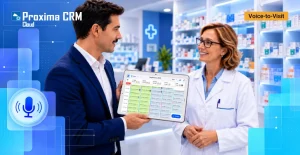
An AI assistant embedded in a CRM system for pharmaceutical business sets a new standard by becoming a full-featured digital working tool for medical representatives. It supports specialists throughout the entire workday—from visit planning to analysis of completed activities. This approach enables a more structured and systematic field workflow.
A CRM system powered by artificial intelligence analyzes interaction history with physicians, visit frequency, preferences, and past results. Based on this data, a personalized visit plan is created, relevant messages and materials are selected, and part of the reporting is completed automatically. Additionally, the system suggests engagement strategies and evaluates KPI performance dynamically. This is one of the key functions of pharmaceutical CRM that directly impacts field team productivity.
For pharmaceutical companies, this results in reduced administrative workload, improved data quality, and greater transparency of field activities. CRM functionality for pharmaceutical companies makes communication with physicians more contextual and needs-driven, while significantly increasing control over medical representatives’ performance.
Advanced Photo Recognition (AI Analysis of Pharmacy Shelves)
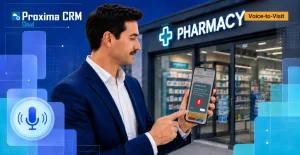
AI-based shelf photo analysis is an essential element of pharmaceutical CRM software features for working with the pharmacy segment. Modern CRM solutions can transform visual information into structured analytical data suitable for both operational and strategic analysis. This approach fundamentally changes how shelf compliance is monitored.
The CRM system automatically identifies shelf share, detects missing or incorrectly placed SKUs, records hidden products, and analyzes competitor placement. In addition, the system verifies price tag accuracy, the presence of POS materials, and compliance with approved planograms. All data is linked to a specific visit, pharmacy, and territory.
For pharmaceutical companies, this eliminates manual audits and subjective shelf assessments. The analytics deliver strategic value: data is objective, comparable, and available across the entire network. This directly expands pharmaceutical CRM capabilities and improves the effectiveness of collaboration with pharmacies.
Integrated Omnichannel Engagement (Unified CRM + OCM Cycle)
The integration of CRM and OCM is an innovative CRM function in the pharmaceutical industry that creates a unified physician engagement cycle. All touchpoints — medical representative visits, digital materials, and online communications—are combined within a single system, enabling consistent and predictable communication management.
The CRM builds personalized physician journeys based on behavior and engagement data. The system automatically initiates email, SMS, or messenger communications, sends CLM materials after visits, and tracks physician responses across all channels. Online and offline interactions complement each other rather than existing separately. These pharmaceutical CRM functions support continuous dialogue with the target audience.
In 2026, physicians expect uninterrupted and personalized engagement. An omnichannel approach increases conversion rates, improves communication response, and gives pharmaceutical companies full control over the effectiveness of every interaction channel.
Geoanalytics and Territory Optimization
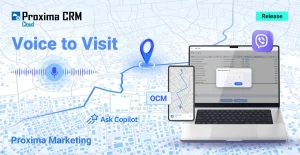
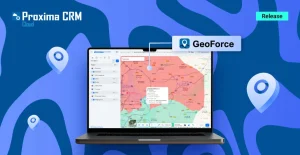
Geoanalytics tools are among the key pharmaceutical CRM functions, forming the foundation for territory and field resource management. They enable analysis of medical representative activity based on location and actual coverage, which is especially important for geographically distributed teams.
The system visualizes visit activity on maps, analyzes market share by territory, and helps build optimal маршруtes. Additionally, the CRM identifies overlapping activities within the same territory, evaluates zone potential, and supports resource reallocation—resulting in more accurate planning and control.
Pharmaceutical companies operate within complex coverage structures where planning errors lead to efficiency losses. Geoanalytics reduces visit duplication, increases field productivity, and improves manageability of territorial strategies.
Intelligent Dashboards with Forecasting
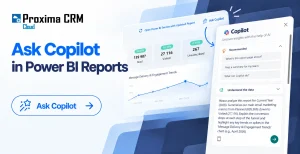
Next-generation dashboards transform CRM into a powerful analytics and forecasting tool. Instead of static reports, companies gain a dynamic, real-time view of business performance. Management decisions are made faster and based on factual data.
A customer interaction management system enhanced with AI models forecasts sales and coverage levels, identifies risk zones related to declining activity or prescription frequency, and generates recommendations for managers. The system unifies CRM, CLM, OCM, and external data sources within a single analytical environment.
Predictive analytics enables pharmaceutical companies to plan actions proactively rather than reactively. Forecasts become the foundation for both strategic and operational management.
Conclusion
In 2026, CRM in the pharmaceutical industry definitively moves beyond reporting. It becomes a decision-making platform that unites data, analytics, and communications.
Artificial intelligence, forecasting, and omnichannel engagement define a new standard for medical representatives, managers, and marketing teams — enhancing business efficiency and the quality of physician interactions.
Request a personalized product demo – learn about the key features of PROXIMA Pharmaceutical Cloud CRM – set new standards in managing your teams in 2026.